

How to Keep Your Pet Safe, Healthy, and Happy When Life Gets Busy Again
Introduction
The house has been bustling for weeks. Children have been playing in the yard, walks have been frequent, and your dog or cat has enjoyed constant companionship and attention. Then, September arrives. School gates reopen, work travel resumes, and daily schedules abruptly shift back to full throttle.
While you are focusing on morning commutes, school uniforms, and packed work calendars, your pet is experiencing a major life transition of their own. Suddenly, the house goes quiet for eight to ten hours a day.
Back to school and back to work shouldn’t mean back to basics for your pet.
Maintaining quality pet care in Kenya when life gets busy requires a little planning, but it ensures your animal companion remains safe, calm, and healthy, even when the household schedule is packed.
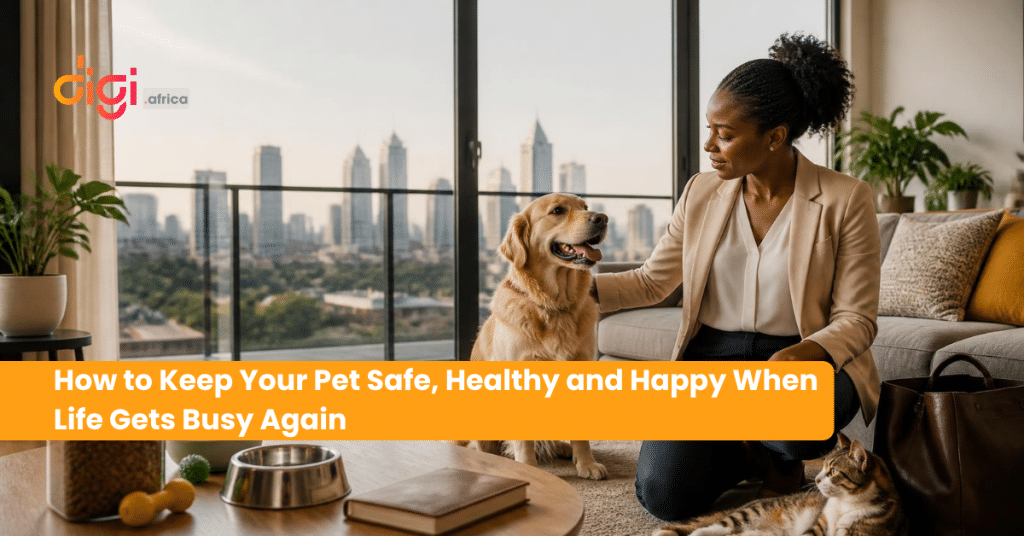
What Changes for Pets When the Household Gets Busy Again?
Pets thrive on predictability. When daily patterns change overnight, animals can experience confusion and subtle emotional stress. Recognizing these changes early helps you mitigate their impact before behavioral or physical health issues arise.
1. Longer Periods Spent Alone
Pets accustomed to having human family members around all day suddenly face hours of isolation. Without proper mental stimulation, prolonged quiet can lead to boredom, frustration, or separation anxiety in dogs and cats alike.
2. Shifting Feeding and Walking Times
When mornings become rushed, meal times can easily get pushed back, shortened, or forgotten. Similarly, long evening walks might get replaced by quick trips into the yard, leaving active dogs with unspent energy.
3. Less Supervision Around the House
With fewer eyes on the house during working hours, curious pets have more opportunities to explore restricted areas, chew on unsecured household items, or dig through waste bins.
4. Changes in Caregiving Duties
In many households, children or visiting relatives handle daytime feeding, grooming, or walking duties during holiday periods. When school resumes, these responsibilities must be reassigned so no aspect of your pet’s daily care falls through the cracks.
5 Things to Check Before Leaving Your Pet Alone
Before locking the front gate each morning, run through this practical safety checklist to make sure your pet stays secure while you are away.
1. Food and Fresh Water
- Double-check that your pet has received their morning portion.
- Leave multiple water bowls in shaded, accessible areas (especially during warm afternoons) in case one gets knocked over.
- Write clear feeding guidelines on a whiteboard or kitchen note if a housekeeper or relative handles daytime care.
2. A Safe Environment
- Ensure your pet has access to a cool, shaded area protected from rain and direct sunlight.
- Check that indoor spaces have adequate ventilation.
- Keep balcony doors locked or fitted with pet-proof barriers.
3. Potential Household Hazards
- Store all cleaning chemicals, rat poisons, and garden fertilizers tightly locked in cabinets.
- Keep human medications off low tables and nightstands.
- Relocate toxic indoor plants out of reach.
- Review common health risks every pet owner in Kenya should know about to keep your living spaces hazard-free.
4. Secure Doors, Windows, and Gates
- Inspect perimeter fences and compound gates for loose bars or digging gaps where a stressed pet might attempt an escape.
- Ensure latches are pet-proof, as clever dogs and cats often learn how to push open unlatched sliding doors.
5. Accessible Emergency Contacts
- Post emergency numbers in a visible spot in the kitchen or hallway.
- Include your primary clinic, an emergency veterinary facility, and a trusted neighbor or family member who holds a spare key.
Don’t Let Routine Pet Care Get Pushed Aside
When calendars fill up, it is easy to put non-urgent health tasks on hold. However, keeping up with preventive health care saves time and money over the long term.
- Vaccinations: Maintain up-to-date immunizations against Rabies, Parvovirus, and feline diseases. Skipping annual boosters leaves your pet vulnerable to endemic illnesses.
- Routine Veterinary Visits: Scheduled wellness check-ups allow your vet to catch early health changes before they become full-blown medical crises. Learn more about the differences between routine vet visits vs emergency vet visits.
- Grooming: Regular brushing prevents coat matting and gives you an opportunity to inspect skin for ticks, fleas, or hot spots.
- Daily Exercise: Physical activity is vital for weight management and anxiety reduction. Even a brief 20-minute morning walk makes a significant difference in your dog’s daily demeanor.
- Mental Stimulation: Provide puzzle toys, chew toys, or treat-dispensing balls before leaving for work to keep your pet’s brain engaged while home alone.
How to Help Your Pet Adjust to Spending More Time Alone
Transitioning your pet to a quieter environment works best when done gradually rather than all at once.
- Practice Short Departures: In the days leading up to your full schedule, leave your pet alone for 30 to 60 minutes at a time so they realize you always return.
- Keep Arrivals and Departures Calm: Avoid making a big drama when leaving or returning home. Calmly say goodbye and wait a few minutes after returning before greeting your pet enthusiastically.
- Establish Consistent Times: Feed and walk your pet at the exact times you plan to maintain during busy work weeks.
- Consider Outside Help: If your work day exceeds 10 hours, arrange for a trusted dog walker, neighbor, or domestic worker to give your pet a midday potty break and companionship.
Watch for Warning Signs: If your pet begins barking excessively, destroying furniture, missing meals, or showing unusual lethargy, do not dismiss it. Review the early warning signs of pet illness to differentiate emotional stress from an underlying medical condition.
Create a Simple Pet Care Routine That Works
Establishing a predictable daily schedule prevents care tasks from feeling overwhelming during busy work weeks.
Morning Routine
- Exercise: A quick 20-minute walk or play session in the yard.
- Nutrition: Fresh morning meal and a full bowl of clean water.
- Quick Health Check: Observe energy levels, coat condition, and eyes/gums.
- Safety Lockup: Check gates, doors, and hazard areas before departing.
Daytime Setup
- Leave chew toys, puzzle feeders, or scratching posts accessible.
- Ensure shade, shelter, and water remain available throughout the day.
- Coordinate with a daytime caregiver if applicable.
Evening Routine
- Exercise & Play: Interactive playtime or an evening walk to release pent-up energy.
- Dinner: Evening meal served at a consistent time.
- Grooming: Quick brushing session and physical affection.
- Health Observation: Monitor stool quality and daily water intake.
Have a Backup Plan for Unexpected Situations
Even the best schedules run into unexpected delays, traffic jams, or late meetings. Having a solid Pet Emergency Plan guarantees your animal companion is never left stranded.
Ask yourself these four key questions today:
- Who can step in? Identify at least two trusted friends, neighbors, or family members who live nearby and are comfortable handling your pet.
- Who has your vet’s details? Ensure your emergency contact has your primary vet’s phone number and clinic location saved.
- Where are your pet’s records kept? Store physical vaccination cards and medical histories in a single, well-marked folder.
- How will you manage unexpected veterinary expenses? A sudden illness or accidental injury during busy periods can strain family finances if you aren’t prepared.
Where Does Pet Insurance Fit In?
While a structured routine covers your pet’s daily physical and mental needs, financial preparedness protects your household against unexpected health emergencies.
Understanding the real cost of pet ownership in Kenya requires factoring in both predictable monthly expenses (food, grooming, routine vaccinations) and unforeseen medical emergencies.
Pet insurance acts as a financial safety net for eligible medical emergencies. When considering a policy, evaluate:
- Covered accidents, surgical procedures, and sudden illnesses
- Annual benefit limits and reimbursement percentages
- Policy exclusions, waiting periods, and deductible amounts
Taking the time to understand what pet insurance covers in Kenya and learning how to choose the right pet insurance plan ensures your pet receives immediate, high-quality medical care without compromising your monthly budget.
A Back-to-Routine Pet Care Checklist
Use this quick checklist to ensure your household is fully prepared for busy work and school seasons:
- Daily morning and evening feeding schedule established
- Multiple fresh water sources placed in shaded areas
- Living space and yard inspected for household hazards
- Compound gates, doors, and window latches secured
- Daily physical exercise and mental stimulation planned
- Puzzle toys or enrichment items ready for daytime hours
- Vaccination boosters and parasite treatments up to date
- Primary and emergency veterinary numbers saved and posted
- Trusted backup caregiver identified and provided with spare keys
- Financial plan or pet insurance policy active for medical emergencies
Final Thoughts
Your pet may not understand why the house suddenly grows quiet every morning, but thoughtful preparation makes the transition smooth and stress-free.
The goal is not to design a complicated, rigid schedule. It is simply ensuring that essential care, proper nutrition, safety, physical exercise, mental stimulation, and health protection, remains consistent even when life gets busy.
Key Takeaway: A busy routine shouldn’t mean putting your pet’s care on autopilot. Good pet parenting means planning for the everyday, and being ready for the unexpected.
Keep Your Pet’s Routine on Track
As school and work schedules pick up, take ten minutes today to review your pet’s safety, health checks, and financial preparedness.
Explore Pet Insurance Options in Kenya Today to ensure your pet stays protected against unexpected medical costs all year round.
Frequently Asked Questions (FAQ)
- How do I prepare my pet for a change in routine?
Gradually adjust feeding, walking, and alone times two weeks before school or work schedules officially change. Practice leaving your pet home alone for short periods to build their confidence.
- How long can I leave my dog or cat alone?
Adult dogs can generally handle 6 to 8 hours alone if they have access to shade, water, and a safe environment. Cats can handle up to 8 to 10 hours. Puppies and senior pets require more frequent potty breaks and supervision.
- How can I keep my pet entertained while I’m at work?
Provide treat-dispensing puzzle toys, safe rubber chews, scratching posts, or window perches where cats can watch outside activity. Leaving a radio or TV playing softly can also comfort anxious pets.
- How do I keep my pet healthy when I have a busy schedule?
Set fixed morning and evening blocks for feeding, exercise, and basic health checks. Stay consistent with preventive veterinary appointments and keep an emergency caregiver on call.
- What should I do before leaving my pet home alone?
Ensure fresh water is accessible, remove household hazards, lock compound gates securely, provide shade, and double-check that indoor ventilation is adequate.
- How often should my pet visit a vet in Kenya?
Healthy adult dogs and cats should undergo a comprehensive veterinary wellness check at least once a year. Senior pets and young puppies or kittens require check-ups every 3 to 6 months.
- What should I include in a pet emergency plan?
Include contact info for your primary and emergency vet, vaccination records, written daily feeding instructions, key contact info for a local backup caregiver, and a financial strategy for unexpected care.
- Does pet insurance cover unexpected veterinary expenses in Kenya?
Yes, eligible pet insurance plans reimburse expenses related to covered accidental injuries, emergency surgeries, diagnostic imaging, and sudden severe illnesses up to your policy’s specified limits.