

Travel Scams Every Kenyan Traveller Should Know About
Introduction
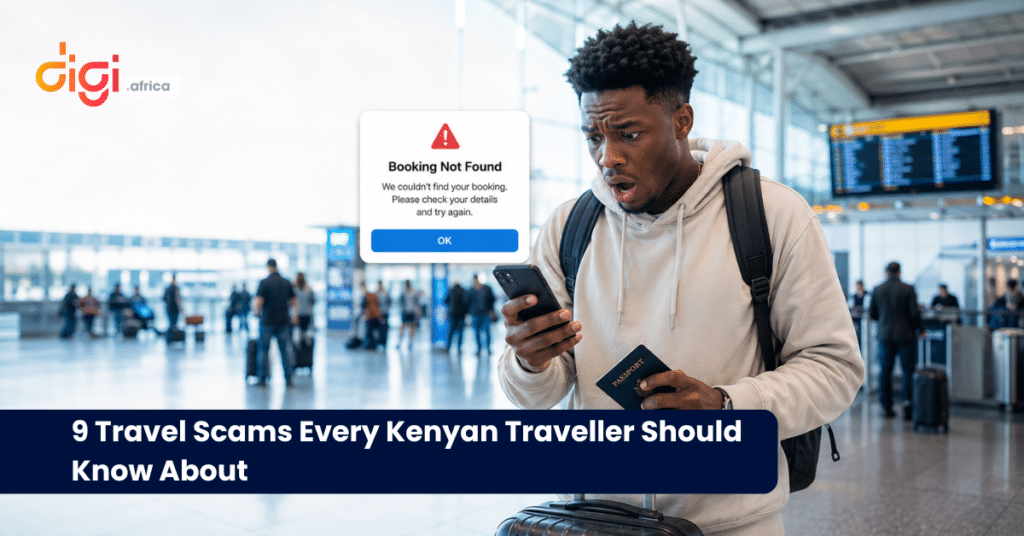
You have booked your flights out of Jomo Kenyatta International Airport (JKIA), packed your bags, updated your international travel checklist for Kenyan travellers, and meticulously planned your itinerary. But as you prepare to step out of your comfort zone, there is one critical question you must ask yourself: Are you prepared for the highly sophisticated scams that target unsuspecting tourists?
From fake airport taxis and credit card skimming to accommodation fraud and public Wi-Fi hacking, travel scams can rapidly turn an exciting international adventure into a stressful, expensive nightmare.
When researching travel scams, Kenya-based travellers often assume that general street-smart instincts carried over from navigating busy cities like Nairobi or Mombasa are enough to protect them abroad. However, international scammers employ unique psychological tricks and localized digital traps tailored specifically for foreigners.
The good news is that most travel tricks are completely avoidable if you know what to look for. Because a prepared traveler is a confident traveler, this comprehensive guide breaks down the ten most common travel scams abroad, how to spot their warning signs, and how to travel with absolute peace of mind.
Why Travellers Are Highly Vulnerable Targets
To protect yourself, you must first understand the mind of an international scammer. Con artists do not target tourists because they are gullible; they target them because of their immediate situational vulnerabilities:
- Unfamiliar Environments: When you land in a brand-new city, you are naturally busy looking at signs, maps, and architecture, making you less observant of the people around you.
- The Language Barrier: Not speaking the local language makes it incredibly difficult to ask for clarification, read official terms, or call for help.
- Time Constraints: Tourists are often in a rush to catch trains, check into hotels, or make tour times. Rushed people make quick, unverified financial decisions.
- Carrying Valuables: Unlike locals, international visitors routinely travel with passports, credit cards, high-end cameras, and large amounts of cash.
- The Search for Convenience: Scammers prey on your natural desire to find quick, cheap solutions for transit, currency exchange, or tour bookings.
10 Common Travel Scams Every Kenyan Traveller Should Know
By learning the mechanics of these ten prevalent scams, you can easily neutralize them before they impact your holiday budget.
1. The Fake Airport Taxi Driver
- How it works: When you walk out of the arrivals terminal at an international airport, an individual carrying a clipboard or wearing a mock ID badge approaches you, claims to be an official taxi driver, and offers to carry your bags. Once you reach your destination, they demand an inflated fare, often five to ten times the standard rate, and refuse to open the trunk to release your bags until you pay up.
- How to avoid it: Never accept rides from individuals who approach you directly inside the terminal. Always walk to the designated, clearly signposted airport taxi rank, or pre-book your ride using verified, globally recognized ride-hailing apps like Uber, Bolt, or Grab.
2. Accommodation Booking Scams
- How it works: You find a stunning, highly affordable luxury apartment listing on a secondary classifieds site or a lookalike booking portal. The “host” requests that you bypass the platform’s official booking system and send a direct wire transfer or cryptocurrency payment to secure a “special discount.” Once you pay, the listing vanishes, and you arrive at the address to find the property doesn’t exist or is occupied by residents who have no idea who you are.
- How to avoid it: This is one of the most painful common travel planning mistakes. Always complete your entire transaction, from communication to final payment, within secure, verified platforms like Booking.com, Airbnb, or Agoda. If a host asks you to take the payment offline, cancel the conversation immediately.
3. Free Public Wi-Fi & Charging Station Hack (Juice Jacking)
- How it works: You find yourself sitting in a crowded café or airport lounge with a low phone battery. You connect to an unencrypted, free public network named “Free_Airport_WiFi” or plug your phone directly into a public USB charging port. Cybercriminals use these unsecured connections or modified charging ports to silently install malware on your device, giving them complete access to your saved passwords, banking apps, and personal photos.
- How to avoid it: Never log into your mobile banking apps, email accounts, or company portals while connected to public Wi-Fi networks unless you are using a secure, premium Virtual Private Network (VPN). For physical charging, always carry your own wall plug adapter and plug directly into a standard AC electrical outlet, or travel with a reliable portable power bank.
4. Card Skimming and ATM Shoulder Surfing
- How it works: Criminals install thin, virtually invisible reading devices called “skimmers” over the card slot of public ATMs or point-of-sale terminals in tourist areas. As you swipe your card, the device copies your magnetic stripe data while a tiny pinhole camera records your PIN as you type it. Alternatively, an accomplice stands closely behind you (shoulder surfing) to memorize your code before stealing your physical card later.
- How to avoid it: Only use physical ATMs located inside secure bank lobbies, which are heavily monitored by security guards and CCTV cameras. Avoid standalone, outdoor ATMs in dark alleyways or convenience stores. When typing your PIN, always shield the keypad completely with your hand.
5. The “Friendly Stranger” Distraction
- How it works: An incredibly friendly local approaches you to offer directions, take your photo, brush some dirt off your jacket, or “help” you buy a subway ticket. While your attention is fully focused on this helpful interaction, their accomplice quietly slips behind you, opens your backpack, and steals your wallet or passport.
- How to avoid it: Be polite but keep a firm physical barrier. If someone approaches you unexpectedly, immediately pull your backpack to the front of your chest, hold onto your pockets, and politely decline the assistance.
6. Currency Exchange Swindles
- How it works: You walk past an unauthorized currency kiosk offering a “zero-commission” exchange rate that seems far better than the market average. The teller counts out your notes in front of you, but uses clever hand movements (sleight of hand) to pocket a portion of the bills before handing you the stack, or hands you obsolete, out-of-circulation local bills that are completely worthless.
- How to avoid it: Only exchange your foreign currency at authorized, brick-and-mortar bank branches, or withdraw local currency directly from secure bank ATMs. Keep a currency converter app (like XE Currency) updated on your phone so you can verify the exact mid-market exchange rate in real time.
7. Fake Tour Guides & “The Attraction Is Closed” Scam
- How it works: You arrive at a popular attraction, only to be approached by a friendly stranger, taxi driver, or self-proclaimed tour guide who claims the site is closed due to a holiday, renovations, or a private event. They then offer to take you to a “better” attraction, a secret entrance, or an exclusive local shop instead. In reality, you’re often taken to stores where prices are heavily inflated, pressured into buying souvenirs, or charged excessive guiding fees.
- How to avoid it: Always verify attraction opening hours through the official website before you travel or at the ticket office upon arrival. Book guided tours only through reputable travel companies, licensed local guides, or trusted recommendations from your hotel. If someone approaches you unexpectedly with an alternative plan, politely decline and confirm the information yourself.
8. The “Free Gift” or Bracelet Scam
- How it works: A person approaches you with a friendly smile, grabs your wrist, and quickly ties a colorful “friendship” bracelet, flower, or rosemary sprig around your hand, insisting it is a “free gift for welcome.” The moment the item is secured, their demeanor changes, and they loudly demand a steep payment, creating a public scene to embarrass you into paying.
- How to avoid it: Keep your hands in your pockets or close to your body when walking through high-traffic tourist hotspots. If someone attempts to hand you something or grab your wrist, firmly say “No” and keep walking without making eye contact.
9. The Photo / Camera Helper Scam
- How it works: While you are attempting to take a selfie in front of a famous landmark, a friendly passerby offers to take a high-quality photo of you or your group. Once you hand over your expensive smartphone or DSLR camera, they bolt into the crowd or demand a steep “service fee” before handing your device back.
- How to avoid it: If you want a group photo, it is much safer to approach fellow tourists who are also carrying cameras, or ask a uniformed employee of a nearby museum, hotel, or attraction.
Warning Signs Every Traveller Should Spot
Scammers rely on predictable behavioral patterns. If you experience any of the following triggers during your trip, raise your guard immediately:
- Severe, aggressive pressure to complete a transaction immediately.
- An insistence on cash-only payments for large, formal services.
- Pricing or luxury deals that seem completely too good to be true.
- A flat-out refusal to provide official, printed receipts.
- The use of unofficial, unbranded vehicles for transit.
What to Do If You Fall Victim to a Scam Abroad
Even the most cautious and prepared globetrotters can occasionally get caught off guard by a highly professional scam. If you realize you have been defrauded, take these five immediate steps to minimize the damage:
- Block Your Cards Instantly: If your debit or credit card was skimmed, stolen, or compromised, log into your banking app immediately and lock the card, or call your bank’s international hotline to freeze your accounts.
- File a Local Police Report: Visit the nearest local tourist police station and file a formal report. Ask for a certified copy of the physical police abstract (this is a mandatory requirement if you need to apply for an emergency passport or file an insurance claim).
- Notify Your Embassy: If your passport was stolen, contact the nearest Kenyan Embassy or High Commission. They will guide you through the process of securing an Emergency Travel Document (ETD) so you can return to Kenya safely.
- Register a Claim with Your Travel Insurer: If your policy includes cover for stolen baggage, emergency cash advances, or document replacement fees, contact your underwriter’s 24/7 global helpline to register the incident.
How Travel Insurance Helps Manage Unexpected Setbacks
While standard policies do not cover cash lost to basic street scams or voluntary bad deals, securing a robust travel insurance policy before leaving Kenya acts as a vital financial shock absorber during complex travel emergencies.
When you purchase a comprehensive international policy before departing from Nairobi, you gain access to vital travel safety safeguards:
- Emergency Passport Replacement: Reimburses the embassy fees and travel costs required to secure an emergency travel document if your passport is stolen.
- Stolen Baggage Protection: Reimburses the value of your luggage and essential personal belongings if they are stolen from your locked hotel room or transit hold.
- 24/7 Emergency Assistance Hotlines: Connects you with multi-lingual security experts who can guide you on what to do, where to find the nearest embassy, or how to locate an accredited hospital in an unfamiliar country.
- Financial Backup for Trip Interruptions: Helps cover the cost of emergency return flights if a covered theft or disaster makes it impossible to continue your journey.
Remember to always review your policy text to understand the exact documentation requirements (such as a police abstract filed within 24 hours of the incident) needed to secure your payout.
The Ultimate Pre-Departure Travel Security Checklist
To ensure your upcoming international journey is defined by absolute confidence rather than anxiety, review this International Travel Checklist for Kenyan Travellers before you head to the terminal at JKIA:
Final Thoughts
International travel should be about discovering breathtaking landscapes, tasting incredible local cuisines, and building lifetime memories. While scams exist in every corner of the globe, you do not need to let the fear of them hold you back or make you overly paranoid.
By staying alert, noticing common red flags, and preparing your digital and physical defenses ahead of time, you significantly reduce your risk of becoming a target. Combine this heightened awareness with a reliable travel insurance policy, and you will step off that plane knowing you have built a complete safety net around your travel budget.
Frequently Asked Questions
-
What are the most common travel scams targeting Kenyan travellers?
The most frequent scams include unlicensed “fake” airport taxis, fraudulent accommodation listings on unverified portals, public Wi-Fi data theft, card skimming at standalone ATMs, and high-pressure street distraction techniques.
-
How can I avoid travel scams when travelling abroad?
You can avoid the vast majority of scams by pre-booking your transit through official apps, keeping your communications within verified platforms (like Airbnb or Booking.com), protecting your internet traffic with a VPN, and keeping your valuables secured inside a front-facing bag.
-
What should I do if I get scammed while travelling?
If your financial cards are compromised, contact your bank immediately to block them. File a formal report at the nearest local police station to secure a physical police abstract, and contact your travel insurance provider’s emergency helpline to report any covered losses.
-
Does travel insurance cover travel scams?
Standard travel insurance does not cover cash lost to voluntary street scams, poor exchange rates, or bad deals. However, comprehensive policies do cover consequential losses, such as reimbursing the cost of emergency passport replacements, stolen luggage from locked rooms, or medical treatment resulting from an incident.
-
Is it safe to use public Wi-Fi while travelling?
No. Unsecured public Wi-Fi networks are primary targets for hackers seeking to intercept personal data. If you must use public networks, always protect your connection using a reliable, active Virtual Private Network (VPN), and avoid accessing banking apps or inputting password details.
-
How can I protect my money when travelling internationally?
Never carry excessive amounts of physical cash on your person. Instead, divide your funds across multiple channels: keep one credit card locked in your hotel safe, use tap-and-pay options on your smartphone, carry a prepaid multi-currency travel card, and only withdraw cash from ATMs located inside official bank lobbies.
Travel Smart. Travel Safe. Travel With Confidence.
Don’t let the fear of unexpected travel disruptions or modern digital threats hold back your next big adventure. Protect your budget, your gear, and your peace of mind before you take off.
Get a Free International Travel Insurance Quote Today