

Planning an Upcountry Road Trip? 5 Things to Check Before You Set Off
Introduction
You have packed your bags, filled the tank with fuel, and mapped out your playlist for the drive. Whether you are heading home to see family, attending a weekend celebration, or embarking on a long-awaited holiday, setting off on an upcountry road trip is one of the most exciting parts of living in Kenya.
However, long-distance driving exposes your vehicle and yourself to demands you rarely encounter during a standard morning commute in Nairobi, Mombasa, or Kisumu. Potholes on unfamiliar stretches of highway, changing weather patterns, sudden mechanical wear, and hours behind the wheel require more than just a packed boot.
Before turning the ignition and hitting the highway, run through this practical 5-point checklist to make sure both your vehicle and your travel plans are fully prepared.
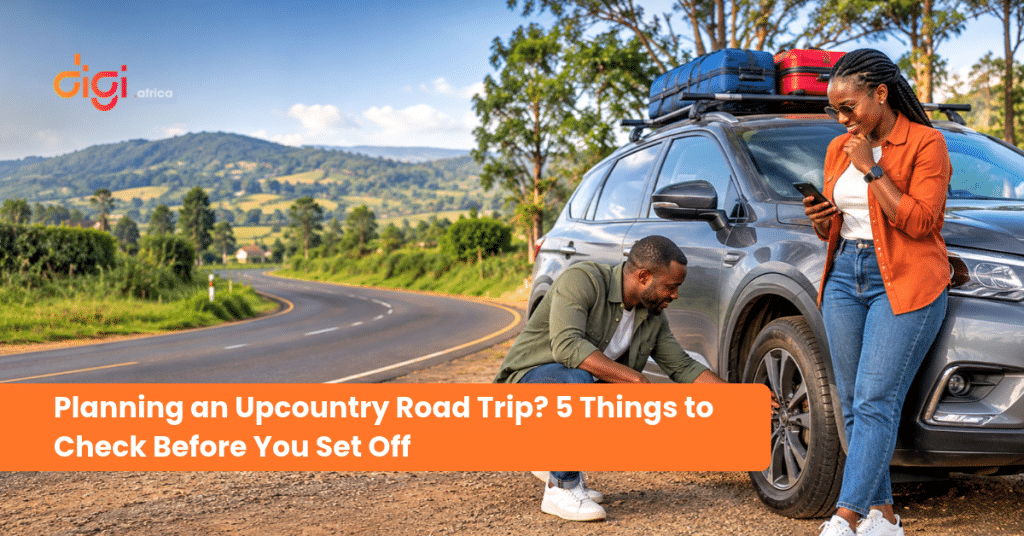
1. Check Your Vehicle’s Condition Before Leaving
The most important step in road trip preparation is ensuring your vehicle is genuinely roadworthy. Regular daily driving can mask minor mechanical weaknesses that turn into major breakdowns five hours away from home.
- Tyres (Including the Spare): Check your tyre pressure, look for tread wear, and inspect sidewalls for cracks or bulges. Always verify that your spare tyre, jack, and wheel spanner are in good, usable condition.
- Brakes: Ensure your braking system responds smoothly. If you notice squealing, a spongy brake pedal, or reduced stopping performance, have a mechanic inspect the pads and discs before your trip.
- Engine Oil & Fluids: Pull out the dipstick to check your engine oil level and color. Inspect coolant, brake fluid, power steering fluid, and windscreen washer reservoirs.
- Lights & Indicators: Test your headlights (high and low beams), brake lights, reversing lights, fog lights, and directional indicators. Visibility is crucial on unlit Kenyan highways.
- Battery: Check for battery terminal corrosion or sluggish starting behavior. A weak battery can easily fail after a long drive or when restarting at a rest stop.
- Windscreen Wipers: Ensure your wiper blades clear water cleanly, as sudden downpours can severely impair visibility.
Do not wait until you are halfway upcountry to discover a mechanical issue. If you are unsure about your car’s readiness, have a qualified mechanic perform a quick pre-trip inspection. Remember that proper vehicle maintenance is your responsibility; insurance covers unexpected accidents, but it does not replace routine servicing.
2. Plan Your Route and Prepare for Road Conditions
Knowing where you are going, and what to expect along the way, makes long-distance driving significantly smoother.
Whether you are traveling along the busy Nairobi–Nakuru highway, heading up the Nairobi–Eldoret route, navigating toward Kisumu, or driving down to Nyeri, route planning is essential:
- Know Your Route: Identify major towns, petrol stations, and highway junctions along your path. Familiarize yourself with alternative routes in case of major traffic snarl-ups or road construction delays.
- Check Traffic & Roadworks: Keep an eye on real-time traffic updates or community alerts regarding accidents, heavy commercial truck traffic, or sections undergoing rehabilitation.
- Anticipate Weather Shifts: The weather can change rapidly. A sunny morning drive can turn into a misty, rainy climb through high-altitude areas like Limuru or Mau Summit.
- Plan Your Rest Stops: Driving continuously for hours causes mental fatigue. Plan deliberate stopovers at safe, well-lit service stations for fuel, stretching, and refreshments.
3. Prepare Yourself and Everyone Travelling With You
A road-ready car is vital, but a focused, well-rested driver is what keeps everyone safe.
- Get Adequate Rest: Avoid starting a long upcountry drive on little sleep. If you feel drowsy, switch drivers or pull over safely to rest.
- Share Driving Responsibilities: If traveling with another licensed driver, share the journey, provided they are authorized to drive under your motor insurance policy terms.
- Secure Passengers and Cargo: Ensure every passenger buckles up. Secure heavy luggage securely in the boot so it does not shift dangerously or block your rear-view visibility during sudden stops.
- Keep Essentials Handy: Pack bottled drinking water, light snacks, wet wipes, and any personal medication where passengers can reach them easily without distracting the driver.
4. Carry Your Essential Documents and Emergency Supplies
Being prepared for the unexpected means having your legal paperwork and safety tools within arm’s reach before you leave your driveway.
Essential Documents to Carry:
- Valid driving license for all active drivers.
- Valid motor insurance certificate. Learn more about choosing coverage in our guide on Third Party vs Comprehensive Motor Insurance.
- Vehicle registration details and logbook copy.
- National identity cards.
Practical Emergency Supplies:
- Warning triangle (safety reflector) and high-visibility reflective jacket.
- Functional spare tyre, jack, and wheel brace.
- Basic first-aid kit (bandages, antiseptic wipes, pain relievers).
- Working torch or flashlight with fresh batteries.
- Jumper cables for a dead battery.
- Mobile phone car charger or power bank.
5. Understand Your Motor Insurance Cover Before Travelling
Before embarking on a long-distance journey, take a few minutes to confirm that your motor insurance is active, accurate, and suited to your travel plans.
- Confirm Policy Validity: Check your policy start and expiry dates to ensure coverage won’t lapse while you are upcountry.
- Verify Vehicle Use: Ensure your vehicle’s actual use matches its declared policy use (e.g., private vehicles should not be used for commercial deliveries or unauthorized passenger transport).
- Understand Your Protection: Review whether you hold basic third-party insurance or broader comprehensive cover. Remember that insurance policies protect against covered accidents and risks subject to specific terms, exclusions, and deductibles, they do not cover normal wear-and-tear or mechanical breakdowns.
- Save Emergency Contacts: Save your insurance broker’s helpline and your underwriter’s claims contact numbers in your phone before you depart. Knowing who to call provides immense peace of mind if an incident occurs miles from home.
To understand how your premium is calculated or how policy terms work, review our guides on why motor insurance costs what it does and how insurance excess works. If you are reviewing your entire policy before a trip, our checklist on what to check before buying motor insurance is a helpful reference.
Your Upcountry Road Trip Checklist Before Departure
Use this quick summary checklist before walking out to your car:
Vehicle Condition
- Tyres, including the spare, are inflated and in good tread condition.
- Brakes, headlights, indicators, and brake lights are fully operational.
- Engine oil, coolant, and windscreen washer fluids are topped up.
- Battery and windscreen wipers are working reliably.
Route & Planning
- Main and alternative driving routes are identified.
- Weather forecasts and traffic expectations are reviewed.
- Departure time and safe stopover locations are planned.
Driver & Passengers
- The driver is well-rested, alert, and fit for long-distance driving.
- Seatbelts and child safety restraints are fitted and secured.
- Luggage is safely packed in the boot without blocking visibility.
Documents & Supplies
- Driving license and valid motor insurance certificate are packed.
- A warning triangle, reflective jacket, and first-aid kit are in the car.
- Spare tyre, jack, wheel spanner, and torch are ready.
- Phone charger and drinking water are accessible.
Motor Insurance
- Policy is active and vehicle details are completely correct.
- Cover type, exclusions, and excess terms are understood.
- Insurance claims and emergency helpline numbers are saved in your phone.
Before You Hit the Road, Make Sure You’re Properly Covered
Road trip preparation goes far beyond packing bags, checking fluid levels, and fueling up. Ensuring your motor insurance is active and properly understood guarantees that you are financially protected if the unexpected happens on the highway.
At Digi Africa, we act as your trusted insurance advisor. We help you review your current motor insurance policy, explore suitable cover options through our partner underwriters across Kenya, and ensure your vehicle is ready for every journey you take.
Heading upcountry? Make sure your motor cover is ready too.
Talk to Felo & Explore Your Insurance Options Today
Frequently Asked Questions (FAQ)
1. What should I check before driving upcountry in Kenya?
Before driving upcountry, check your vehicle’s mechanical condition (tyres, brakes, fluid levels, lights, and battery), plan your driving route and rest stops, ensure all passengers are buckled up, pack your essential documents and emergency safety gear, and verify that your motor insurance policy is active.
2. How do I prepare my car for a long-distance road trip?
Prepare your car by inspecting tyre pressures and tread depth (including the spare), testing your brakes and lights, checking engine oil and coolant levels, ensuring your wipers work properly, and having a qualified mechanic inspect any unusual noises or performance issues before departure.
3. What should I carry in my car for an upcountry journey?
You should carry your driving license and insurance certificate, a functional spare tyre and changing tools, a warning triangle, a reflective jacket, a first-aid kit, a torch, a mobile phone power bank, drinking water, and basic emergency supplies.
4. How often should I check my tyres before a long drive?
You should check your tyre pressure and tread depth before every long-distance journey. It is also wise to inspect tyres for embedded nails, cuts, or uneven wear patterns at least once a month during normal driving.
5. Does comprehensive motor insurance cover long-distance travel in Kenya?
Comprehensive motor insurance generally covers your vehicle against accidental damage, theft, and fire anywhere within its permitted geographical operational area in Kenya, subject to the policy wording, exclusions, and terms. Always check your specific policy documents for any geographical restrictions.
6. What should I do if my car breaks down while travelling upcountry?
If your car breaks down, move it safely off the road, switch on your hazard lights, and set up your warning triangle at a safe distance behind the vehicle. Contact a trusted mechanic, towing service, or your insurance emergency helpline if your policy includes roadside assistance or towing benefits.
7. Should I check my motor insurance before travelling?
Yes. Checking your insurance ensures your policy is active, your vehicle details are correct, you understand your coverage limits and excess terms, and you have your insurer’s emergency contact numbers saved in case an unexpected incident occurs on the road.