

Pet Preparedness Checklist: 8 Things Every Pet Owner Should Have Ready
Introduction
As a pet owner, your daily routine usually runs like clockwork, feeding schedules, morning walks, and evening play. You tick off your daily checklist feeling in control. But pet emergencies rarely happen at a convenient time. Whether it’s a sudden late-night illness, an unexpected injury, or an emergency that leaves you stuck away from home, crises don’t wait for an invitation.
True emergency preparedness isn’t just about knowing what to do in the moment. It means having crucial health records, trusted contacts, emergency supplies, and financial arrangements organized before something goes wrong.
How prepared would you be if your pet needed urgent veterinary care tonight? Or if you were unexpectedly delayed and couldn’t get home to feed and care for them? A little preparation today can make those high-stress situations significantly easier to manage.
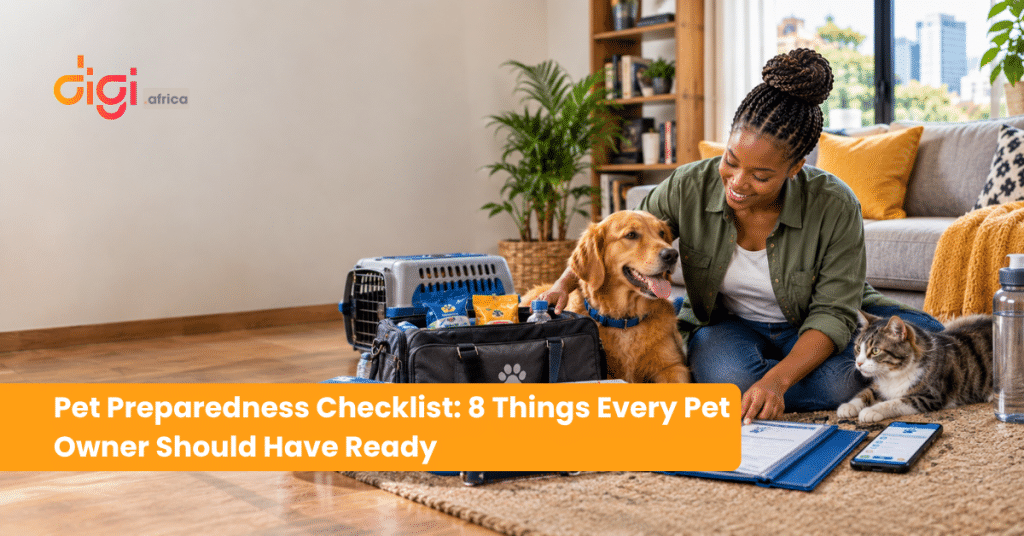
Here is an 8-point checklist every pet owner in Kenya should have ready.
1. Keep Your Pet’s Vaccinations Up to Date
Vaccinations are often viewed as routine wellness, but in an emergency, they become a vital safety barrier. If your pet ever needs emergency boarding, shelter, or urgent hospitalization at a veterinary clinic, up-to-date vaccination records are almost always mandatory to protect other animals in the facility.
Key Vaccination Preparedness Steps
- Maintain Current Schedules: Ensure core vaccines (such as rabies and parvovirus) are updated on time.
- Track Booster Dates: Record vaccination dates clearly in a calendar or phone reminder so you know when the next booster is due.
- Keep Physical & Digital Proof: Secure certificates in an easy-to-access folder and keep a digital backup on your phone.
Vaccine requirements and exposure risks vary across regions. Pet owners should consult a licensed local veterinarian to establish an appropriate vaccination schedule rather than relying on generic online templates.
Why should pet vaccination records be kept up to date?
Up-to-date vaccination records protect your pet against fatal infectious diseases, prevent transmission to other animals, and are legally or operationally required during emergency veterinary admissions, boarding, or travel.
2. Have a Trusted Veterinary Contact
When your pet is in pain or critically ill, frantically searching online for a nearby vet wastes precious time. Having established veterinary contacts ready eliminates delay when every minute counts.
Veterinary Details to Save
- Primary Veterinary Clinic: Name, exact street address, and direct telephone numbers.
- Emergency / After-Hours Facility: The nearest 24/7 or late-night veterinary hospital location and contact details.
- Operating Hours: Know when your primary vet closes and what their protocol is for after-hours care.
Save your vet’s primary and emergency contacts in your mobile phone favorites, and pin a physical index card with these details on your refrigerator or central family noticeboard.
What veterinary contacts should every pet owner have?
Every pet owner should have quick access to:
- Their primary veterinary clinic’s name, phone number, and address.
- The contact details and location of the nearest 24-hour emergency veterinary hospital.
- An emergency pet transport option or trusted contact who can assist with transportation.
3. Have a Backup Caregiver
What happens to your pet if you are delayed in Nairobi traffic, held up at work overnight, or suddenly hospitalized? Identifying a reliable backup caregiver ensures your pet is never left stranded without food, water, or medication.
How to Choose and Prepare Your Caregiver
Select someone trustworthy who lives nearby and is already familiar with your pet’s temperament. Make sure they know where house keys, food, leashes, and medical supplies are kept.
To make this seamless, prepare a Caregiver Information Sheet and keep it with your pet’s records:
| Caregiver Information Sheet | Example Details |
| Pet’s Name & Microchip/ID | Max (Dog – Golden Retriever) / Chip #123456789 |
| Primary Vet & Phone | Dr. Kamau – 0700 000 000 |
| Feeding Routine | 1 cup dry food at 7:00 AM & 6:30 PM |
| Medications & Dosage | Joint supplement (1 tablet daily with morning meal) |
| Known Allergies | Allergic to chicken/poultry |
| Behavioral Notes | Scared of thunder/heavy rain; keep indoors |
| Emergency Contact Person | Jane (Sibling) – 0711 000 000 |
4. Keep Your Pet’s Records Accessible
During an emergency visit to a new clinic or an after-hours hospital, doctors need your pet’s medical history to make safe, accurate treatment decisions.
Essential Records Folder Checklist
✓ Full vaccination history and certificates
✓ Past medical conditions, surgeries, and chronic diagnoses
✓ Current prescription medications and dosages
✓ Known food or drug allergies
✓ Identification details (microchip number, distinguishing marks)
✓ Primary vet details
✓ Pet insurance policy information (if applicable)
Store physical records in a clear, waterproof document bag. Create a digital copy (a dedicated folder on Google Drive or your phone) so you can share medical histories with a vet instantly via phone if needed.
What information should be included in a pet emergency record?
A comprehensive pet emergency record should contain vaccination logs, full medical and surgical history, known allergies, current prescriptions, microchip ID, primary vet details, emergency contact numbers, and pet insurance policy details.
5. Prepare an Emergency Pet Kit
Instead of scrambling around the house during a crisis, store essential pet supplies together in a portable container or dedicated bag.
Emergency Pet Kit Checklist
✓ Food: 3 to 5 days of dry/canned food and a manual can opener
✓ Water: Clean bottled drinking water and collapsible bowls
✓ Restraint: Sturdy leash, collar/harness with updated ID tags
✓ Carrier: Pet carrier or crate appropriate for their size
✓ Medication: Prescribed medications (minimum 1-week supply)
✓ Sanitation: Basic cleaning supplies, paper towels, and waste bags
✓ Comfort: Familiar blanket or towel to reduce shock and stress
✓ First Aid: Basic pet first aid kit (gauze, antiseptic wipes, tweezers)
✓ Documentation: Physical copy of medical records and vet contact info
SAFETY WARNING: Never administer human pain relief or medications (such as paracetamol, ibuprofen, or aspirin) to dogs or cats during an emergency unless specifically instructed by a qualified veterinarian. Human medications can be toxic or fatal to pets.
What should be in a pet emergency kit?
A pet emergency kit should include a multi-day supply of food and bottled water, collapsible bowls, a leash, harness or carrier, a week’s supply of prescribed medications, pet waste bags, a familiar blanket, a pet first-aid kit, and physical copies of emergency contact and health records.
6. Prepare for Seasonal Changes
In Kenya, seasonal shifts, particularly the onset of rainy seasons in April/May and September/October, present unique hazards for pets. Flash flooding, damp living quarters, and sudden cold snaps can lead to respiratory illnesses, skin infections, or straying animals. Always make sure you and your pet are prepared for the rainy season.
Rainy Season Pet Preparedness
✓ Keep Sleeping Quarters Dry: Elevate pet bedding off cold, tiled, or concrete floors and move sleeping areas away from areas prone to leaks or damp draft winds.
✓ Inspect Escape Routes: Rain and thunderstorms often frighten animals, prompting them to bolt. Secure gates, fences, and doors.
✓ Maintain Hygiene: Wipe paws and fur thoroughly after outdoor trips to prevent fungal dermatitis and bacterial infections caused by wet mud and runoff.
✓ Plan for Travel Disruptions: Heavy rains can cause severe traffic disruptions or localized flooding. Ensure you know alternative routes to your nearest emergency veterinary facility.
Seasonal preparation is dynamic, adjust your pet’s shelter, diet, and safety setup as environmental conditions change throughout the year.
7. Have a Financial Plan for Unexpected Care
Physical preparation is vital, but financial readiness ensures you can approve life-saving care without delay. Medical emergencies frequently involve unexpected costs that standard monthly pet budgets do not cover.
Potential Emergency Medical Expenses
✓ Urgent veterinary consultation fees
✓ Diagnostic imaging (X-rays, ultrasounds, emergency blood tests)
✓ Prescription medications and IV fluids
✓ Emergency surgical procedures
✓ Multi-day hospital stays and overnight monitoring
✓ Post-treatment follow-up consultations
Financial Preparation Options
- Dedicated Emergency Savings: Set aside a fixed monthly sum in a dedicated account strictly reserved for unexpected pet healthcare costs.
- Payment Understanding: Ask your regular clinic in advance about their accepted payment methods and emergency deposit policies.
- Pet Insurance: Consider whether a pet insurance policy fits your financial strategy to help buffer against large, unforeseen veterinary bills.
How can pet owners prepare financially for unexpected vet bills?
Pet owners can prepare financially by building a dedicated pet emergency savings fund, knowing the out-of-pocket payment policies of nearby clinics, and taking out a pet insurance policy to cover eligible veterinary medical costs.
8. Understand Your Pet Insurance
Pet insurance functions as a crucial financial safety net during emergency care, but it works best when you thoroughly understand how your policy operates before a crisis occurs.
What to Review in Your Policy
✓ Eligible Expenses: Understand what accidents, illnesses, surgeries, and diagnostic tests are covered.
✓ Policy Limits: Know the annual maximum limit and individual caps per condition.
✓ Exclusions & Waiting Periods: Check for pre-existing condition exclusions and standard waiting periods before coverage kicks in.
✓ Deductibles & Excess: Be clear on the out-of-pocket amount you are responsible for paying when filing a claim.
✓ Claim Requirements: Know what documentation (e.g., itemized vet invoices, medical notes, receipt proof) is required to process claims smoothly.
Note: Exact coverage, exclusions, policy limits, deductibles, and waiting periods depend on your specific policy and provider.
Financial preparedness isn’t about expecting the worst, it’s about ensuring that if something does go wrong, financial constraints won’t delay your pet from receiving the medical care they need.
The 8-Point Pet Preparedness Checklist
Here is a quick summary of the eight steps to confirm your household’s preparedness:
✓ 1. Up-to-Date Vaccinations: Core vaccines current and certificates accessible.
✓ 2. Vet Contacts Saved: Regular and 24/7 emergency clinic numbers saved on the phone and posted at home.
✓ 3. Backup Caregiver Identified: Trusted person identified and Caregiver Information Sheet filled out.
✓ 4. Accessible Health Records: Medical history, allergy list, and insurance details stored in digital and physical formats.
✓ 5. Pet Emergency Kit: Portable kit packed with food, water, meds, leash, carrier, and first aid supplies.
✓ 6. Seasonal Hazards Prepared: Shelter secured against rain, drafts, dampness, and escape risks.
✓ 7. Financial Plan Established: Emergency savings or payment arrangements set aside for urgent vet bills.
✓ 8. Pet Insurance Policy Understood: Terms, exclusions, claim procedures, and excess requirements clear.
What If You’re Not Prepared Yet?
If you haven’t put these steps in place, don’t feel overwhelmed. You don’t need to complete all eight steps in a single day. Break your preparation into manageable steps:
- Today: The Essentials (Takes less than 15 minutes)
Save your primary vet’s phone number and the nearest emergency clinic details in your phone. Gather your pet’s vaccination certificates into a single folder. - This Week: Supplies & Support (Set aside 1 hour)
Assemble your basic pet emergency kit (food, water, leash, bowls, blanket) and reach out to a friend, neighbor, or family member to confirm if they can serve as your backup caregiver. - Going Forward: Long-Term Security (Ongoing maintenance)
Review vaccination booster dates, check seasonal shelter needs before heavy rains begin, and evaluate your financial plan, including emergency savings and pet insurance options.
Final Thoughts
Being prepared doesn’t mean living in constant fear of an emergency. It simply means organizing your information, supplies, contacts, and finances ahead of time so you never have to start from scratch when your pet needs you most. By taking a few practical steps today, you give your pet the best protection possible.
Prepare for the Unexpected
Physical supplies and emergency contacts keep your pet safe, but financial security ensures you can always afford the care they deserve. Pet insurance can form a crucial part of your overall emergency preparation strategy, helping you cover unexpected and eligible veterinary expenses without stress.
Pets Are Family. Protect Them Like Family.
Talk to Felo today to learn more about pet insurance coverage options and discover the right protection plan for your pet.
Frequently Asked Questions (FAQs)
1. What should every pet owner have ready for an emergency?
Every pet owner should have up-to-date vaccination records, primary and emergency vet contact numbers, an assigned backup caregiver, digital and physical health records, a pre-packed emergency kit, seasonal shelter preparations, and a financial plan (such as emergency savings or pet insurance).
2. What should be included in a pet emergency kit?
A pet emergency kit should include a 3- to 5-day supply of food and clean water, collapsible bowls, a sturdy leash and collar/harness, a pet carrier, prescribed medications, waste bags, paper towels, a familiar blanket, a pet first-aid kit, and copies of medical records.
3. Why should I keep my pet’s vaccination records?
Vaccination records serve as medical proof that your pet is protected against infectious diseases. They are required during emergency hospital admissions, boarding facilities, travel, or when seeing a new veterinarian on short notice.
4. What information should I give a backup pet caregiver?
You should provide a caregiver with your pet’s feeding routine, medical conditions, prescribed dosages, known allergies, behavioral triggers, primary vet contact details, emergency contact numbers, and access to home keys and supplies.
5. How can I prepare my pet for the rainy season in Kenya?
Prepare for Kenya’s rainy season by keeping sleeping areas elevated and dry, securing doors and perimeter fences against thunderstorms, drying paws after walks to prevent fungal infections, and ensuring you have emergency supplies and vet routes planned in case of travel disruptions.
6. How can I prepare financially for unexpected vet bills?
You can prepare financially by setting up a dedicated pet emergency savings account, understanding out-of-pocket costs at your local clinic, and taking out a comprehensive pet insurance policy to help cover unexpected medical expenses.
7. Does pet insurance cover emergency veterinary treatment in Kenya?
Coverage depends on your specific policy and provider. Many pet insurance plans cover eligible emergency medical expenses, diagnostic tests, surgeries, and hospitalization, subject to policy limits, terms, exclusions, and waiting periods.
8. What should I check before buying pet insurance in Kenya?
Before buying pet insurance, check the eligible medical expenses, annual coverage limits, exclusions (such as pre-existing conditions), waiting periods, deductible/excess amounts, monthly premiums, and claim submission requirements.